Why Melasma Comes Back & How to Keep It Under Control
Melasma keeps coming back even after treatment. A Dubai melasma specialist explains the real triggers and how to keep pigmentation under control long-term.
7/6/20264 min read
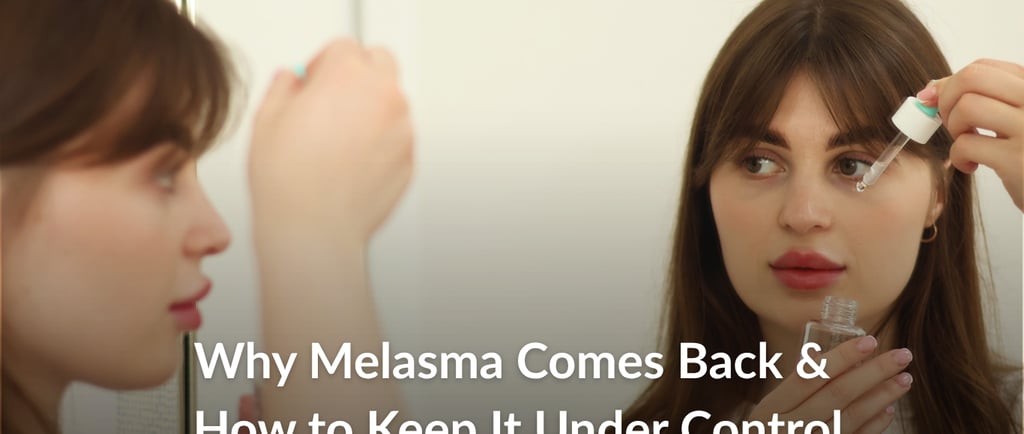
If you have treated your melasma and watched it fade beautifully, only to see those familiar brown or grey patches creep back weeks or months later, you are not failing at skincare. You are dealing with one of the most stubborn pigmentation conditions there is. Melasma recurrence is incredibly common, and understanding why it happens is the first step to keeping it under control for good.
With over 17 years treating complex pigmentation across Europe and the UAE & more than 35,000 clients. Anna Maria Nadolska sees this frustrating cycle every week in her Dubai practice. The good news: melasma can be managed and kept quiet for years when you treat the root cause instead of chasing the surface pigment.
Melasma is not a surface problem
The single most important thing to understand is that melasma is a chronic, biologically active condition — not a simple stain on the skin. When pigment fades after a peel, a brightening protocol, or laser, the visible patch disappears, but the pigment-producing cells beneath the surface (your melanocytes) stay switched on and primed to react.
That is why a one-off treatment almost never delivers permanent clearance. The melanocytes are still sensitive, still waiting for a trigger to fire again. Melasma is best thought of as a condition you manage, much like rosacea or eczema, rather than a spot you remove once and forget.
The real triggers behind melasma recurrence
Sun exposure and visible light UV rays are the number one trigger for melasma coming back. But here is what most people miss: it is not only UV. Visible light including the blue light from screens and the bright daylight that pours through Dubai windows year-round — also stimulates melanocytes. Even short, unprotected exposure can undo months of progress.
Heat Heat alone, without any UV at all, can reactivate pigment. In a climate like Dubai's, this matters enormously. Hot cars, cooking over a stove, intense workouts, saunas, hammams and even very hot facials can all nudge melanocytes back into overdrive. This is one of the most underestimated reasons melasma returns in the Gulf.
Hormonal shifts Pregnancy, oral contraceptives, hormone therapy, perimenopause and thyroid changes are powerful melasma drivers. This is why melasma often appears or worsens during pregnancy (the classic "mask of pregnancy") and why it can flare repeatedly through hormonal phases of life.
Genetics and skin tone If pigmentation runs in your family, you are more likely to experience recurrence. Medium to deeper skin tones- Fitzpatrick types III to VI, very common across the Middle East, South Asia and the Gulf have naturally more active melanocytes, which raises both the risk and the persistence of melasma.
Inflammation and a damaged skin barrier This is the trigger almost nobody talks about. Aggressive treatments, over-exfoliation, harsh peels and the wrong laser can leave skin thinner, drier and inflamed. A weakened barrier is a sensitised barrier and sensitised skin overproduces pigment in response to stress. Sometimes melasma comes back because of a treatment that was too aggressive, not despite it.
Why the wrong laser can make melasma worse
It is a common assumption that a strong laser will "blast away" melasma for good. In reality, overly aggressive or high-heat laser treatments can backfire badly on melasma-prone skin, triggering rebound pigmentation that is darker and more stubborn than before.
Melasma demands a gentle, considered approach low-heat, low-fluence settings and protocols specifically calibrated for pigment-prone and darker skin tones. This is exactly why choosing an experienced melasma specialist matters far more than choosing the "most powerful" machine. The skill is in the restraint and the strategy, not the intensity.
How to keep melasma under control long-term
Lasting control comes from a long-term plan built around calming and treating the active pigment, then maintaining the result. In practice that means:
Daily, non-negotiable sun protection. Broad-spectrum SPF that also screens visible light (mineral and tinted formulas are excellent), reapplied through the day, plus hats and shade. This is the single highest-impact habit for preventing recurrence.
Managing heat, not just sun. Being mindful of saunas, hot yoga, steam and direct heat exposure on the face.
A barrier-first skincare routine. Stabilising, hydrating products that keep the skin calm rather than constantly irritated. Healthy, well-supported skin is far less reactive.
The right professional treatments. Gentle, melasma-safe protocols medical-grade brightening, controlled resurfacing and carefully chosen laser or IPL settings tailored to your skin type rather than a one-size-fits-all package.
Maintenance, not just a one-time fix. Periodic professional check-ins and top-ups to keep melanocytes quiet over the long term.
Realistic expectations make all the difference
Melasma is not usually "cured", it is controlled, and very successfully so when managed correctly. Clients who accept that melasma is a long-term relationship with their skin, rather than a single procedure, are the ones who stay clear and confident for years. With a tailored plan and consistent maintenance, even long-standing, stubborn melasma can be kept quiet enough that many clients feel comfortable going makeup-free.
Treat your melasma with a specialist who understands it
Anna Maria Nadolska specialises in complex pigmentation and melasma management for all skin tones, including sensitive and darker complexions, using advanced laser protocols combined with medical-grade skincare for lasting, visible results.
If your melasma keeps coming back, a personalised consultation can identify your specific triggers and build a plan to finally keep it under control.
Book your melasma consultation via WhatsApp: +971558600380
Frequently asked questions
Why does my melasma keep coming back even though my treatment worked?
Because melasma is a chronic condition. The visible pigment fades, but the underlying melanocytes stay active and sensitive. Triggers like sun, heat, hormones and inflammation can reactivate them at any time, which is why ongoing maintenance and sun protection are essential.
Is laser safe for melasma?
Only when it is the right laser, at the right settings, in experienced hands. Aggressive or high-heat lasers can worsen melasma. Gentle, melasma-specific protocols are key, which is why working with a specialist matters.
Can melasma be cured permanently?
Melasma is managed rather than permanently cured in most cases. With the right treatment plan and consistent maintenance, it can be kept faded and stable for years.
How long until I see results?
Many clients see visible lightening within a few weeks of starting a tailored protocol, with continued improvement over a series of sessions and a maintenance plan to prevent recurrence.
Does the Dubai climate make melasma worse?
It can. Intense year-round sunlight and high heat are both strong melasma triggers, so daily sun protection and heat awareness are especially important here.